The TV night: a field idea that outlived the television
In the solar energy group where I led marketing, we sold televisions on credit, with the kit that powers them. The stock was there. Sales were not following.
The message was right on paper: a screen at home, paid in small instalments. Cold, in front of a sales agent, it convinced almost no one.
What the field showed
On visits, two things kept coming up in conversations with customers.
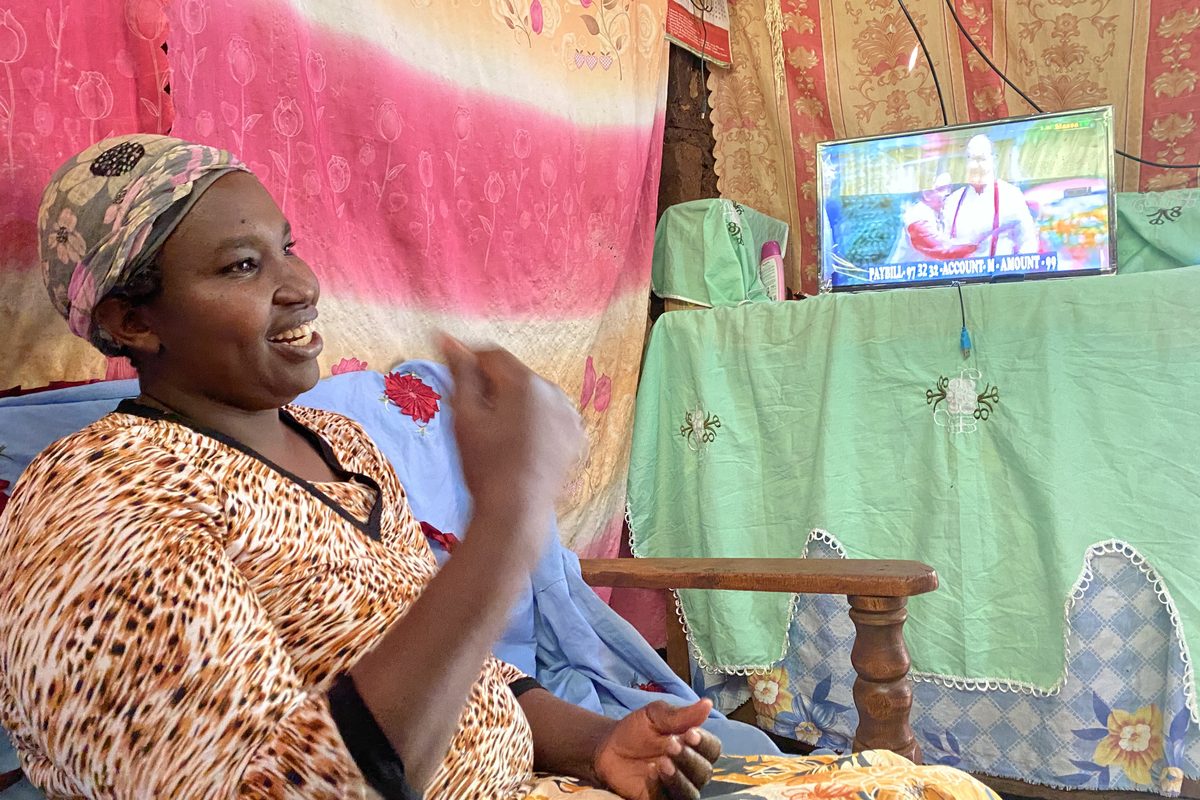
The first: a television does not sell on a promise. People want to see it switched on, at the home of someone they know, before they pay for one.
The second: in the evening, once home from work, men and women watch the same series. It is one of the few moments in the day that brings the whole household together, and often the neighbours.
Neither observation was in our group documents. Put together, they made an idea.
The idea
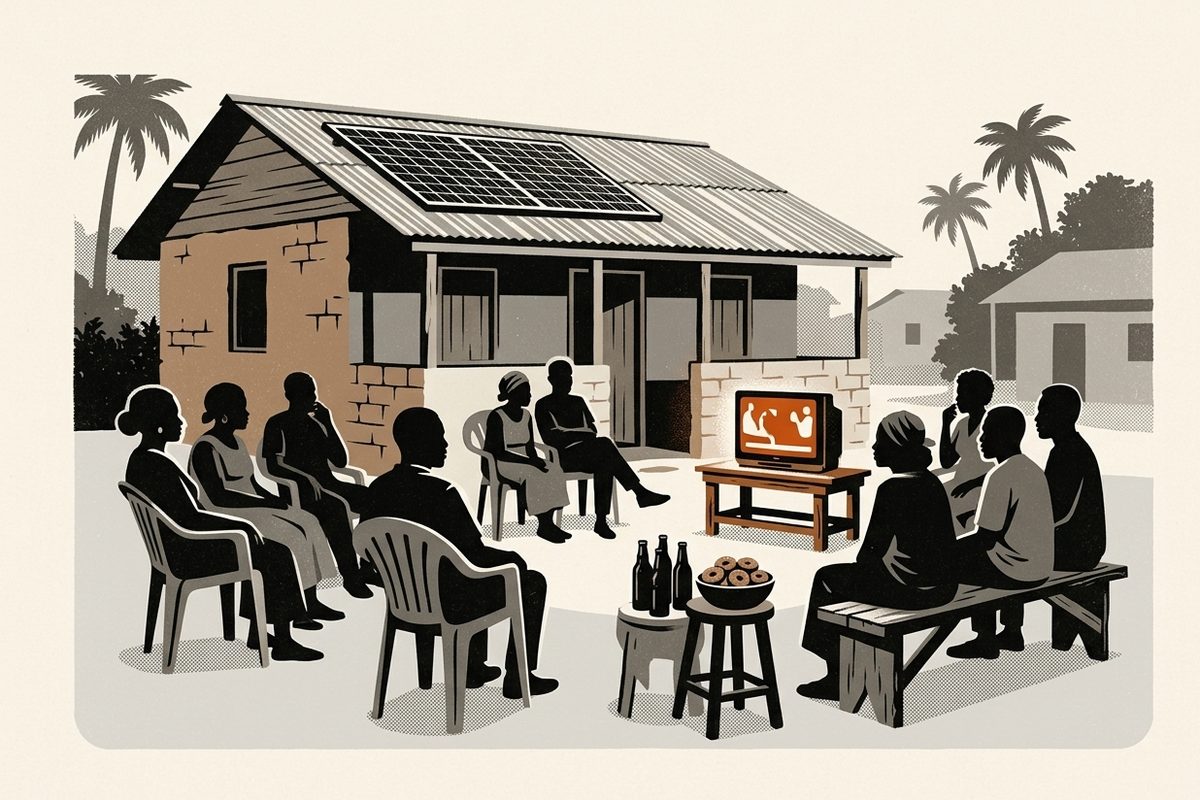
At the home of a customer who already had the equipment, we organised an evening from 7 to 9 pm. He invited ten to twelve neighbours. We played their series on his television, with sodas and doughnuts.
Two sales agents, a technician, a parasol. No stage, no sound system, no speech. The product did the demonstration on its own, at the home of a neighbour who already pays for it and can say what it really costs.
The pilot, in an East African market in early 2023, converted 16% of the guests into customers.
What happened next
The idea was picked up in several of the group's countries, each under its own name: TV night, movie night, evening demos. Each country team adjusted it to its market, and each had to set its targets before scaling up.
Then it outlived the product. In late 2023, a country team reused the evening series idea to sell phones. No television, no evening at a neighbour's: only the original observation, applied to something else.
What I cannot show you
I have no figure for televisions sold through the evenings after the pilot. The follow-up reports of the time group the evening activations with other field actions, and sales are not attributed to one or the other.
I say so because the flattering version of this story would be easy to write, and it would be false. What I can state: the pilot converted, and the idea spread without the group having to impose it.
What I keep from it
An activation dies with its stock. The observation behind it keeps working. The evening series sold televisions, then phones, because nobody at group level had invented them: someone had seen them.
Further reading: what a pay-as-you-go customer signs up for, and marketing wired to collections.
What field observation have your teams made that your group has not heard yet? Request a growth audit
Before I decide for several countries, I go and look at one
Listen in one country, build with its team, bring it back to the group. And the three guardrails that stop an anecdote becoming a strategy.
ReadBefore I fund a campaign, I listen to two hundred customers
More than two hundred customers asked in their own language. Over 60% came through word of mouth, and the budget changed target.
ReadA test town, a control town: knowing whether a campaign worked
Two comparable towns, a threshold written before starting, a code per channel. And the price of the method.
Read