Before I decide for several countries, I go and look at one
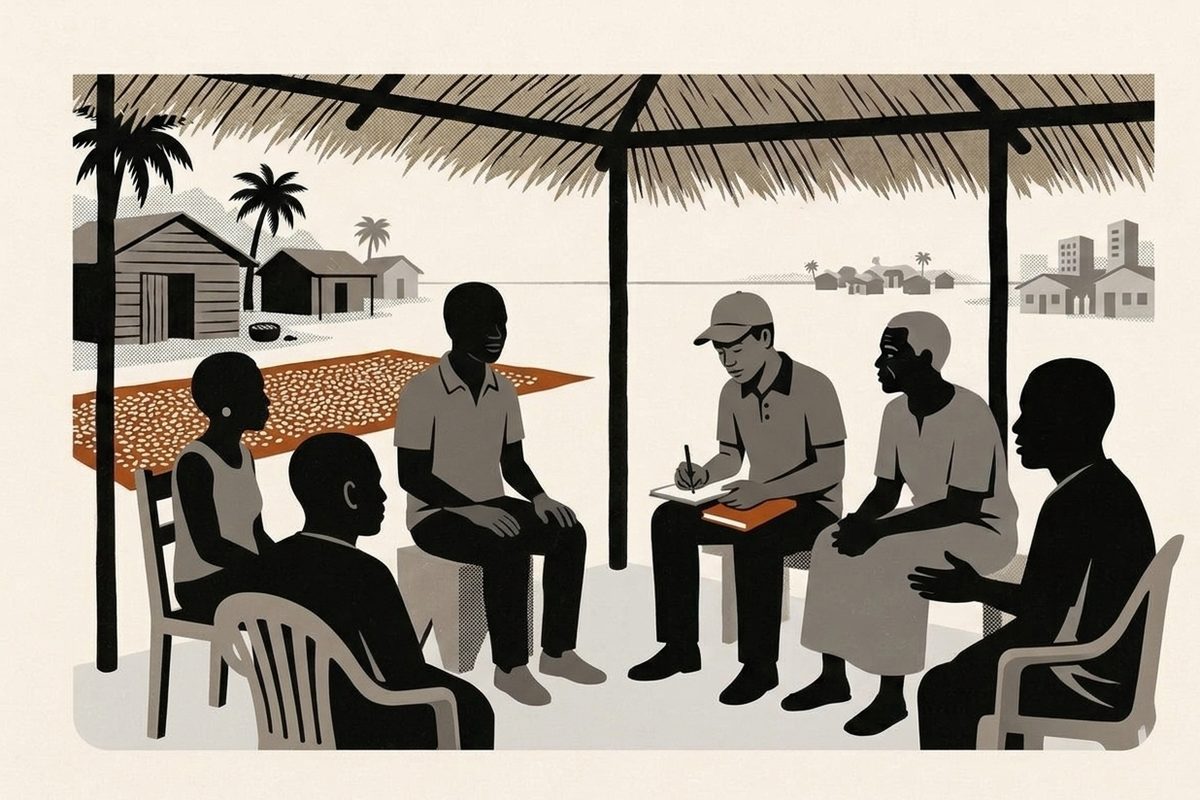
I spent two and a half years with a group present in ten African markets, nearly two of them leading its marketing. Most of the decisions that committed those ten markets were made far from customers, in group documents, with figures fed up through dashboards.
I took up a simple habit: before deciding for several countries, I went to see one. Not for a visit. To listen to customers, build with the local team, then bring what I had learned back to the group.
What a dashboard does not say
A dashboard says how many customers bought. It does not say why the others did not.
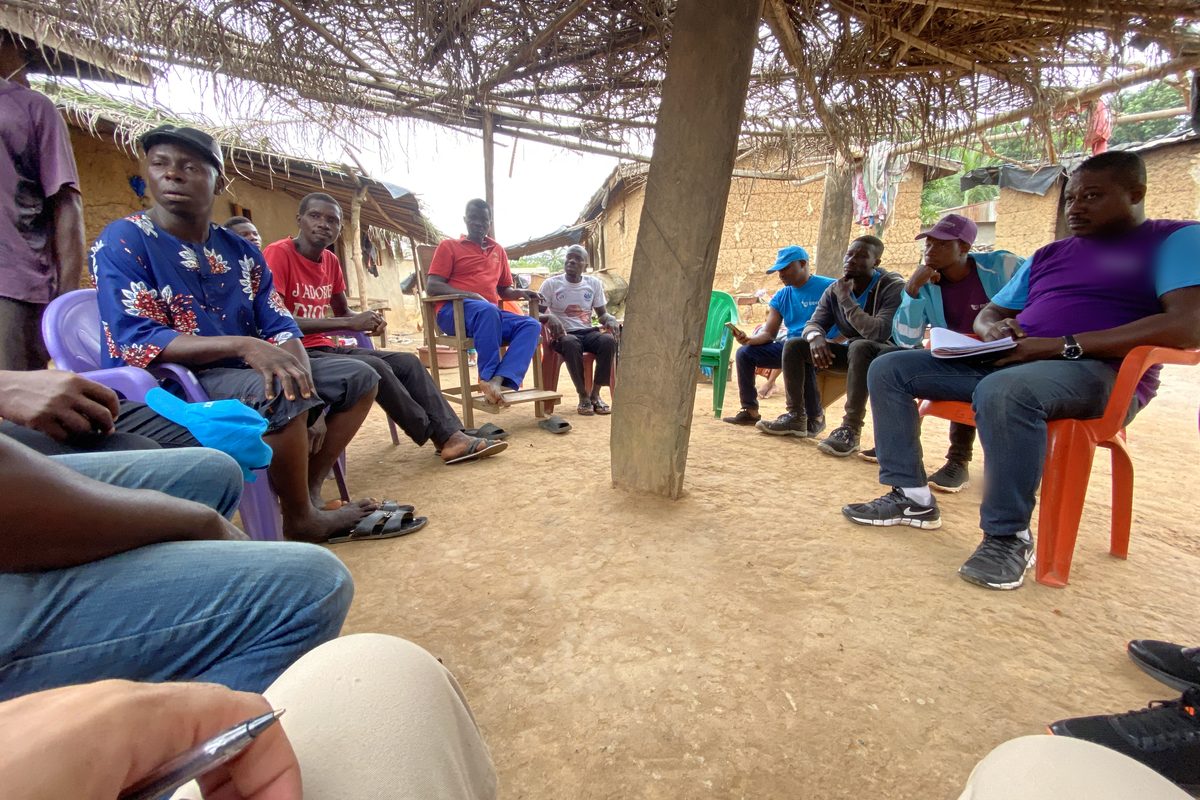
On the ground, the answer is often disarmingly ordinary. Customers who want to see a television switched on before they pay for one. Households who watch the same series in the evening, men and women together, once they are home from work. Incomes that follow the cocoa harvest: depending on the season, households have money or they do not, and the same message lands or misses.
None of these observations was in our documents. All of them changed what we launched next. The first one produced an activation later picked up in several countries, which I tell in a separate piece.
Listening in the customers' language
A visit is only useful if it produces material. I arrived with a short questionnaire, translated into the language of the market, run by the local team with real customers.
In one West African country, more than two hundred customers answered. More than 60% had heard of us through word of mouth, well ahead of sales agents and radio. That single figure moved the budget: I do not fund a brand that gets recommended the way I fund a brand that has to make itself known.
Building with the country, deciding with the group
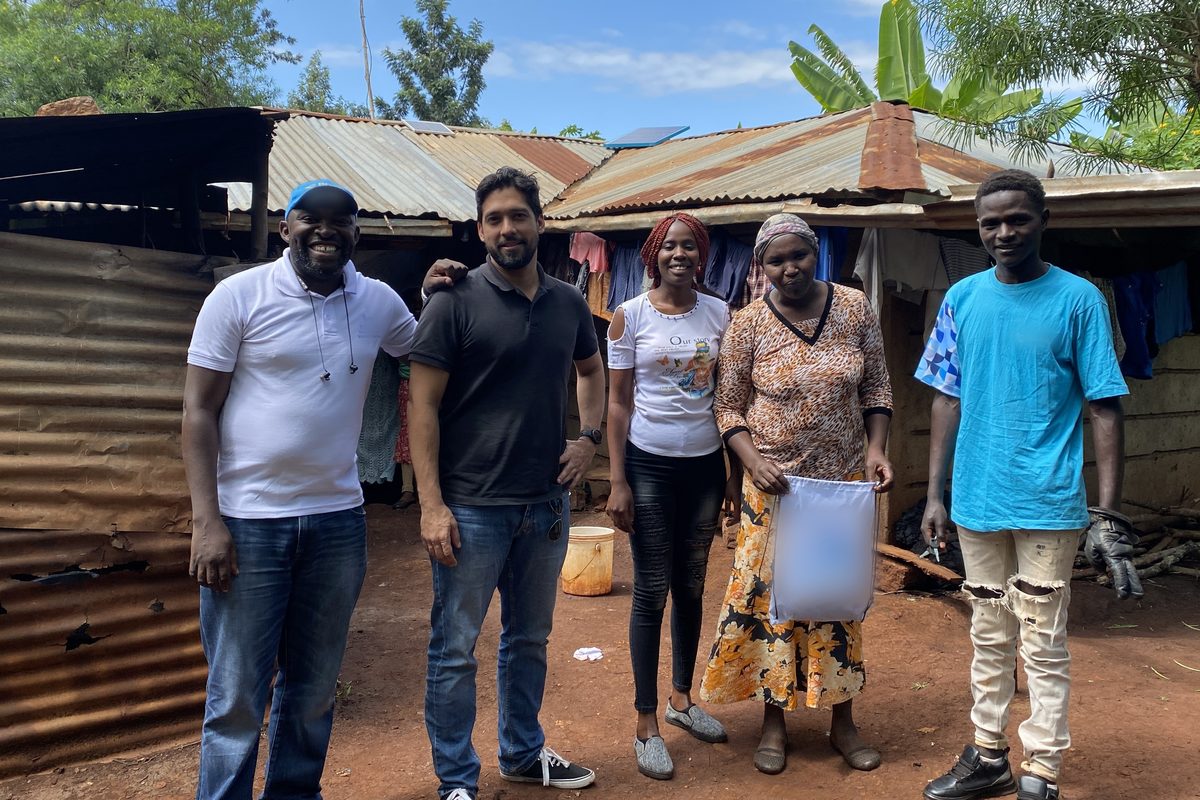
What I brought back from one country did not become a rule for the other nine. It became a hypothesis, worked first with the team of the country I had visited, then presented to the group with its limits.
The local team sees what I will never see in a week. The group sees what no country sees alone: what repeats from one market to the next and what belongs to one market only. I have written elsewhere about the day a country manager told me one of our campaigns would not work in her market. She was right, and she is the one who changed the way we worked.
The objection a leader put to me
A leader once told me it was not necessary to spend much time in every market. That what matters is the company's stage: a market with a thousand users is not run like a market that already covers a share of the population.
He is right about the stage. He is wrong if he concludes that the field becomes optional. I am not saying you have to go everywhere. I am saying you go to one market, at the precise moment you are about to decide for all of them. A new market, a market that stalls, a campaign to extend: that is where a visit costs least, compared with the mistake it avoids.
I did not go everywhere myself. I never visited the group's two smallest markets. For those, we worked remotely with what the other visits had taught us, knowing it was less solid.
Three guardrails
The method has a known flaw: it can turn a good anecdote into group strategy. I put three guardrails on it.
The first is set before leaving. The group fixes what is not up for discussion country by country: the brand, the unit of measurement, the budget for the test. The field decides the rest.
The second is set before testing. I write down in advance the result below which I stop. Without that threshold, every trial ends up declared promising.
The third is set before extending. An idea that worked in one country has to work in a second before it goes everywhere. Across three markets, the same digital set-up gave me conversion rates of 6.24%, 5.51% and 0.12%. One country proves nothing.
What I keep from it
The field does not replace group management. It gives it something to manage. A group strategy that has never been through a real market remains a well-presented hypothesis.
Further reading: the country manager was right, and market access in emerging markets.
When did your group decisions last go through a real market? Request a growth audit
The TV night: a field idea that outlived the television
Televisions that would not sell, an evening at a neighbour's, 16% of guests turned customers. Then the idea sold phones.
ReadBefore I fund a campaign, I listen to two hundred customers
More than two hundred customers asked in their own language. Over 60% came through word of mouth, and the budget changed target.
ReadA test town, a control town: knowing whether a campaign worked
Two comparable towns, a threshold written before starting, a code per channel. And the price of the method.
Read