What a pay-as-you-go customer thinks they are buying, and what they sign up for
I worked with Hassan Khan on product marketing at Bboxx, a company that rents solar kits and phones to customers who pay in small instalments. I asked him five questions about what that model looks like from the field. What follows are his answers, in his words, edited only for reading.
In pay-as-you-go, what does the customer think they are buying, and what are they actually signing up for?
Customers believe they’re buying access to electricity, a better quality of life, and financial flexibility. But what they’re actually signing up for is a long-term financial relationship, built around repayment discipline, trust, and continued access to a service. The distinction matters. PAYGo isn’t simply about making products affordable; it’s about making the entire customer journey sustainable, from the first payment to the final instalment.

Where did the promise and the payment mechanics clash most in the field?
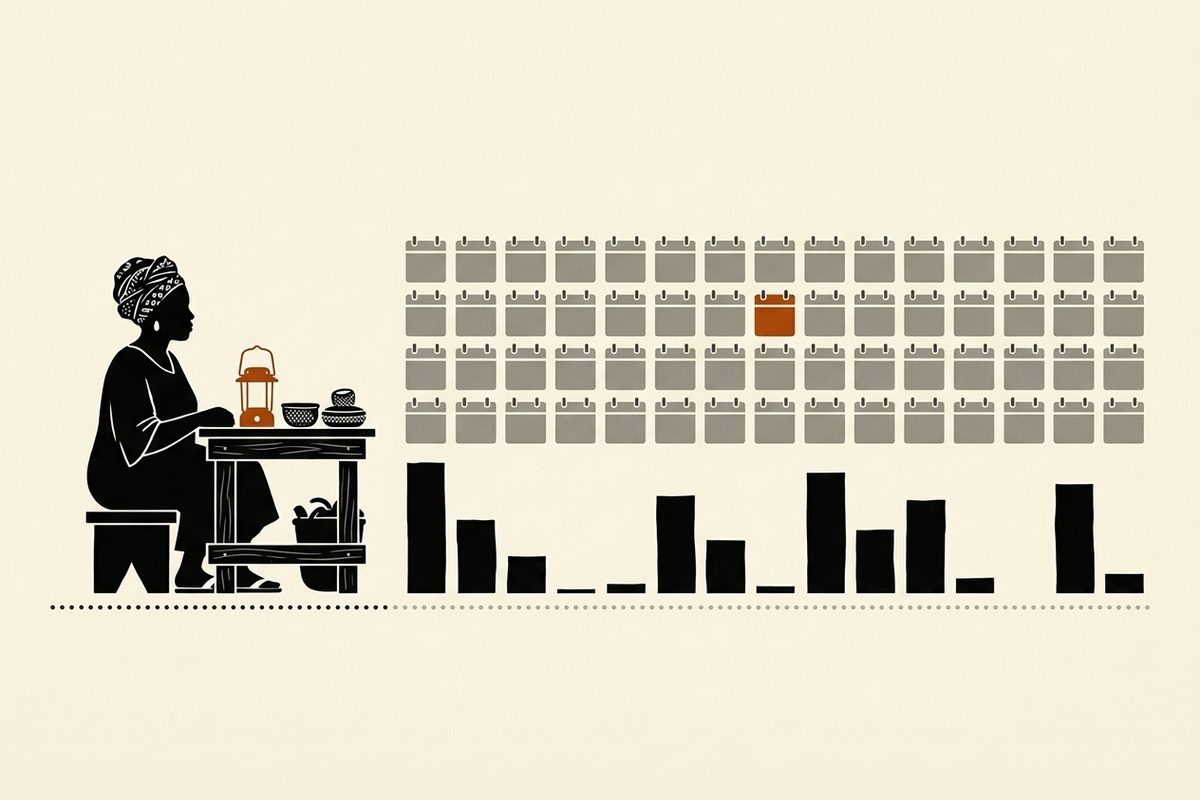
The biggest friction was often between the promise of financial empowerment and the reality of irregular household incomes. PAYGo was designed to make essential products accessible to underserved communities, but affordability doesn’t always translate into predictable repayment behaviour. A customer might genuinely value the product but struggle with payment consistency. For me, this reinforced an important lesson: a great product proposition means very little if the financing model doesn’t reflect the economic realities of its customers.
One product message that worked and one that fell flat. What made the difference?
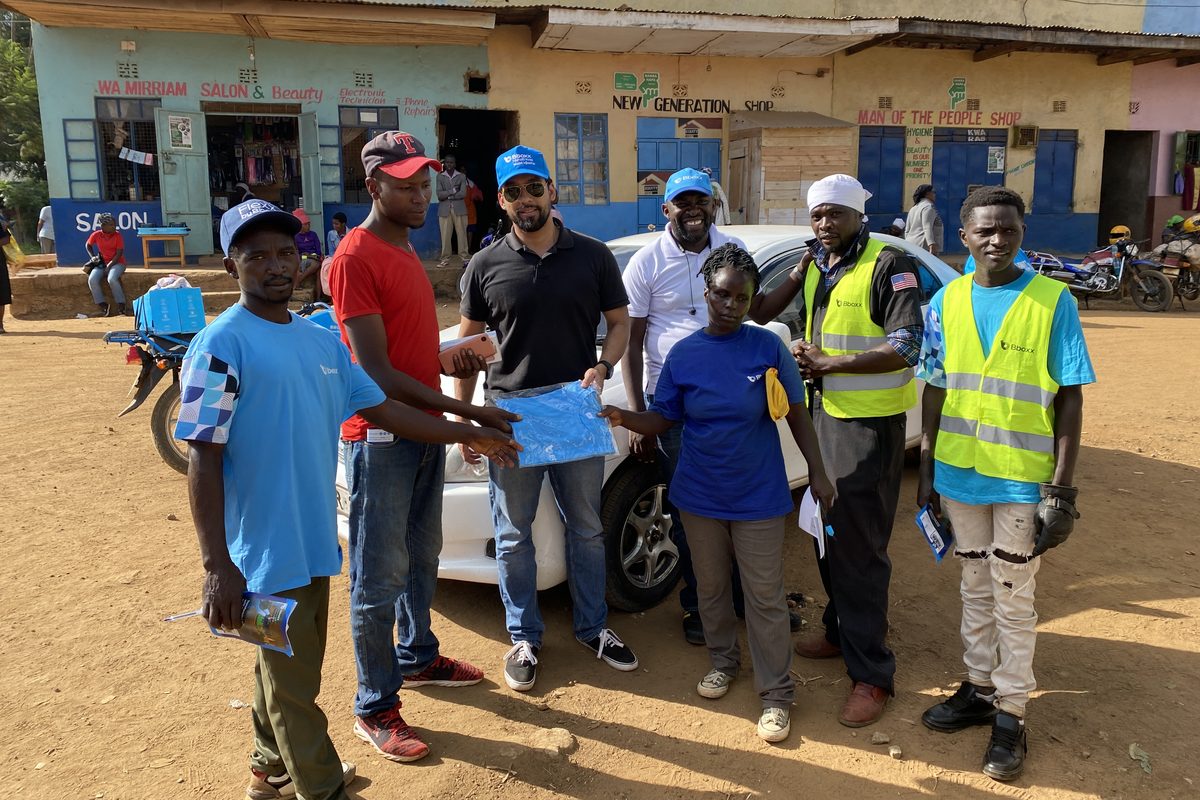
One of my proudest campaigns was #PulseOfAfrica, which we worked on together. On the flip side, corporate-level campaigns promoting individual solar home systems rarely translated into meaningful direct sales. The reason was simple: we weren’t reaching the people actually buying those products in rural Africa. The lesson? A compelling message is only powerful when it reaches the right audience, through the right channels. Brand visibility and commercial conversion are two very different objectives.

What did you learn at Bboxx that you still use in product marketing today?
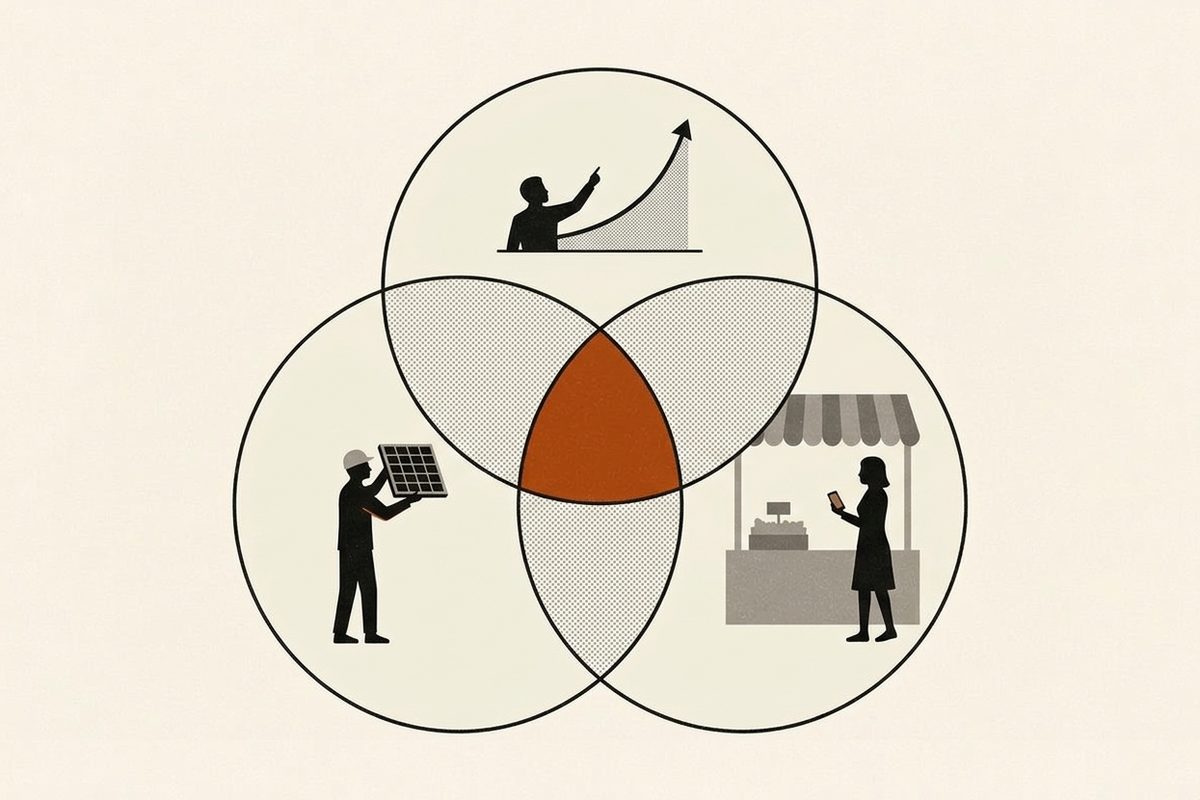
Bboxx taught me that product marketing isn’t just about communicating what a product does. It’s about understanding the entire commercial ecosystem around it. Working across multiple African markets, I learned how to translate complex technology into tangible business value, align diverse stakeholders around a common proposition, and adapt messaging to very different audiences. Most importantly, I learned that the best product marketing connects technology, customer reality, and commercial strategy. That’s a principle I still apply every day.
If someone started a pay-as-you-go launch tomorrow, what’s the first mistake you’d warn them about?
Don’t confuse product accessibility with product-market fit. Making an expensive product affordable through instalments doesn’t automatically create a sustainable business. You need to understand repayment behaviour, customer economics, distribution challenges, and the operational infrastructure required to support the product throughout its lifecycle. I’d encourage anyone launching a PAYGo business to think beyond customer acquisition. The real test isn’t how many products you can put into customers’ hands; it’s how successfully you can support those customers and sustain the relationship afterwards.
Going further: the case studies a five-month Ghana telesales pilot, and a continental TV campaign built with no sponsorship rights.
Is your instalment model built for the customers who actually pay? Request a Growth Audit
Electric motorbikes on credit: the warning comes every day, not every quarter
Around a hundred electric motorbikes, 94 % repayment, and the daily signal that came before the default.
ReadWhen your customer owes you money, marketing changes its metric
Wiring a marketing system to the repayment rate, and what three failed pilots out of four taught.
ReadThe country manager who told me my campaign would not work. She was right.
A group campaign built on a daily price, a manager who said no before launch, and what changed after.
ReadIn emerging markets, go-to-market is navigation, not a channel plan
One identical system across three markets: 6.24 %, 5.51 %, and 0.12 % conversion.
Read