Before I fund a campaign, I listen to two hundred customers
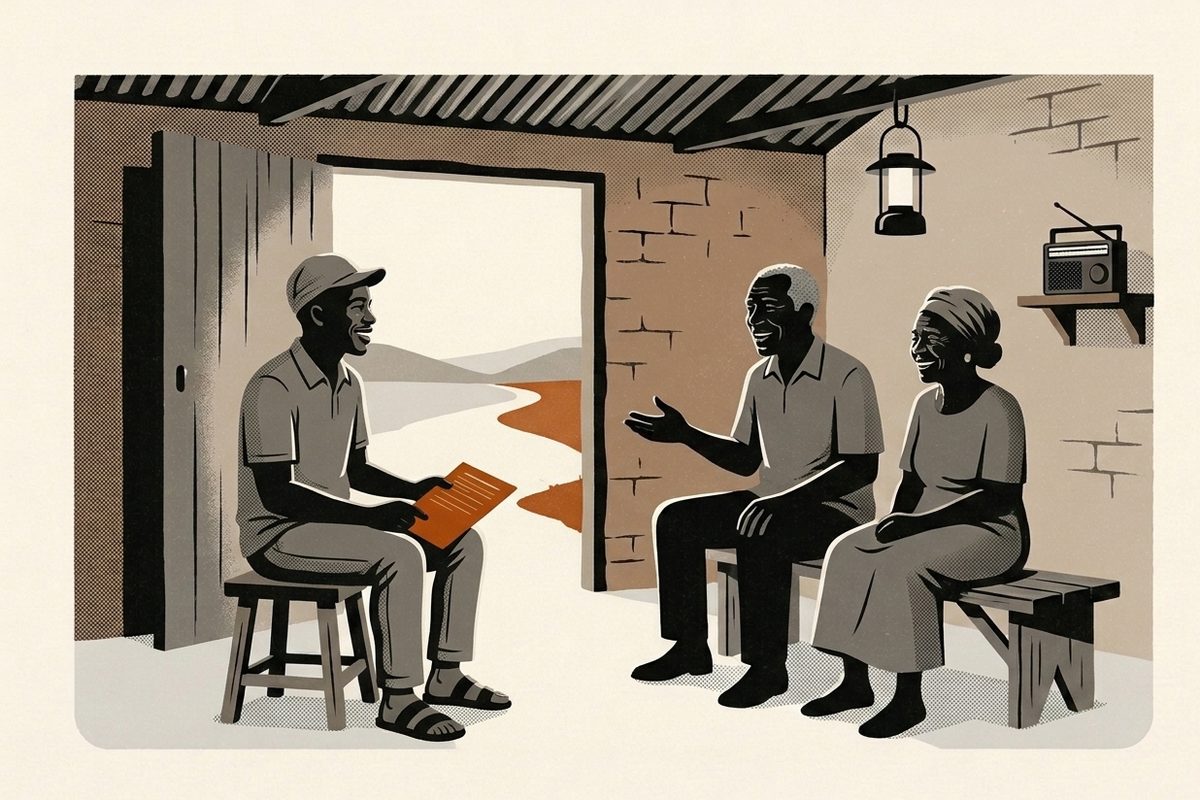
In every country I visited, the local team and I started with the same thing: asking customers. Not a bought panel, not a study handed to an agency. Real customers, met at home, at the market or in the shop, by people from the team who spoke their language.
In one West African country, more than two hundred customers answered. What they said changed the way we spent money.
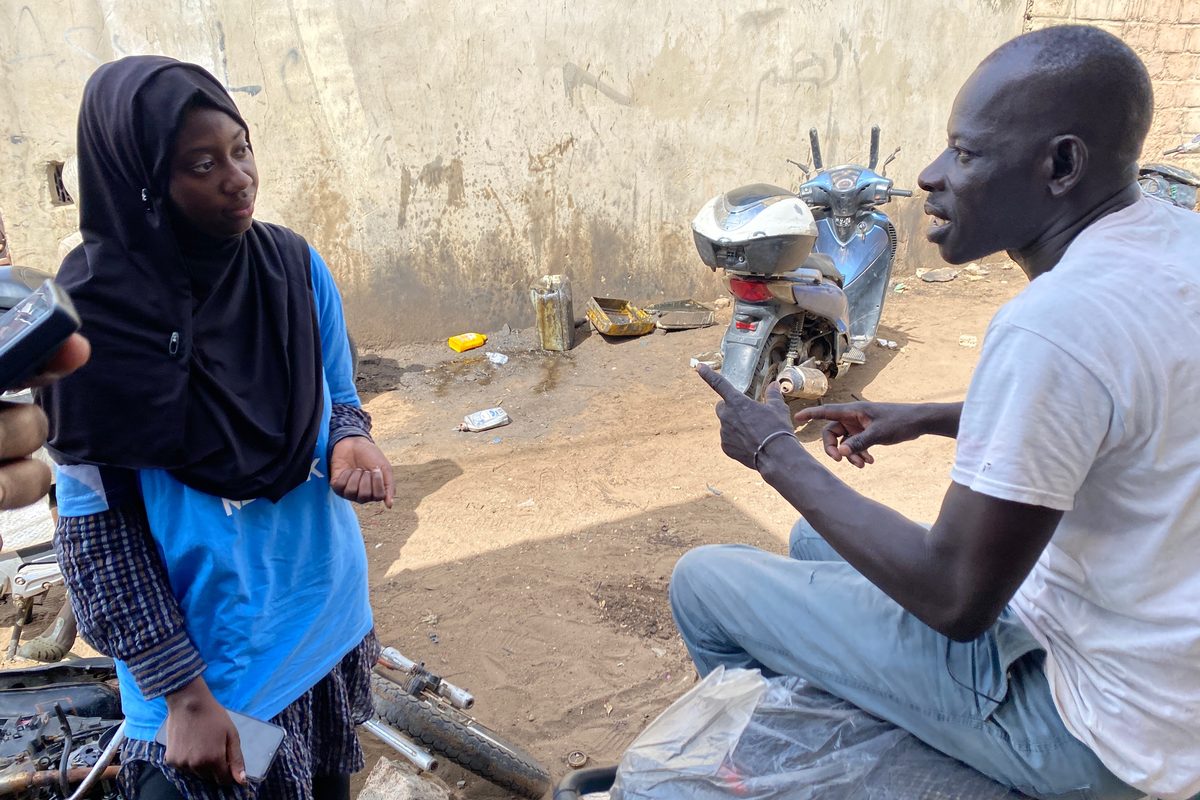
A short questionnaire, in the language of the market
The questionnaire took a few minutes. How did you first hear about us? Who decided the purchase in the household? Where do you spend your week? Which radio stations do you listen to? What would make you recommend us, or give up?
Nothing clever. The work is elsewhere: translating the questions so they are understood, and having them asked by people customers answer frankly. A question asked in French by a visitor from head office does not get the same answer as the same question asked in the village language by someone from the team.
What the answers said
More than 60% of customers had heard of us from a friend or a neighbour, far ahead of sales agents and radio. We were a brand that gets recommended, and we were spending like a brand that has to make itself known.
In nine households out of ten, the purchase was decided by an adult man. The message that spoke to the household first had to convince the one who signed.
Customers did not spend their week on social media. They spent it at the market, in the fields, at church or at the mosque. Those who were online all used WhatsApp. Only one of the customers interviewed followed our Facebook page.
Radio was listened to by two customers out of three, but spread across more than eighty stations named. A campaign on a big national station would have reached a small share of our customers.
Finally, barely one customer in ten had compared our price with a competitor's before buying. Price was not the issue. Trust was.
What we changed
The budget followed the answers. Less money to make ourselves known, more to get the people who already knew us talking: we offered free lighting days to customers who recommended others. Agents were sent where customers said they wanted to meet them, at home, at the market and in groups.
Customers also said what would make them give up: a technician who does not come, a complaint that drags on. That is not marketing in the strict sense. Yet it decides whether word of mouth works for you or against you.
What I keep from it
A study does not need to be expensive to be useful. It needs to be asked in the right language, by the right people, before the budget is voted. Two hundred honest answers are worth more than a well-argued campaign that speaks to the wrong person.
Further reading: before I decide for several countries, I look at one.
When were your customers last asked, in their own language, before a budget vote? Request a growth audit
Before I decide for several countries, I go and look at one
Listen in one country, build with its team, bring it back to the group. And the three guardrails that stop an anecdote becoming a strategy.
ReadThe TV night: a field idea that outlived the television
Televisions that would not sell, an evening at a neighbour's, 16% of guests turned customers. Then the idea sold phones.
ReadA test town, a control town: knowing whether a campaign worked
Two comparable towns, a threshold written before starting, a code per channel. And the price of the method.
Read